Who hasn't left a meal feeling full, only to have hunger pangs return less than two hours later? We all know that some foods are more satiating than others. And guess what? It has nothing to do with their calorie count. If you're looking to lose weight or avoid those untimely cravings, it's important to choose a diet composed of foods that provide the longest possible feeling of fullness. Discover the reasons why some meals are more satisfying than others, and a list of 20 satiating foods.
What is the secret to a satisfying food?
What exactly do we mean by the term "satiating"? A food is said to be satiating when its satiating power (= satiety) is high .
Satiety refers to the length of time it takes for the feeling of hunger to disappear after eating a food. If you eat an entire bag of chips but are hungry again an hour later, it means they have a low satiety value. On the other hand, if you can go the whole afternoon without snacking after eating an apple, its satiating capacity is high.
A food doesn't necessarily have to be high in calories to be satiating . Two foods with the same calorie content can have different satiating effects.
To highlight this phenomenon, Australian researcher Susanna Holt conducted an experiment in 1995. After giving a group of volunteers several types of food (fruits, snacks, protein-rich foods, carbohydrate-rich foods, etc.), she measured each participant's satiety score during the 120 minutes following food ingestion.
The results showed that each food had a greater or lesser effect on satiety, regardless of its caloric value. To compare the satiating effect of each food, Susanna Holt introduced the concept of the Satiety Index (SI) .
The higher a food's IF (Insufficiency Score), the greater its satiating power. For example, a croissant scored 47, and steamed potatoes 323 – the baseline being white bread with a score of 100.
It is this concept of the Satiety Index that we will use in this article to draw up a list of the most satiating foods.
Why are some foods more satiating than others?
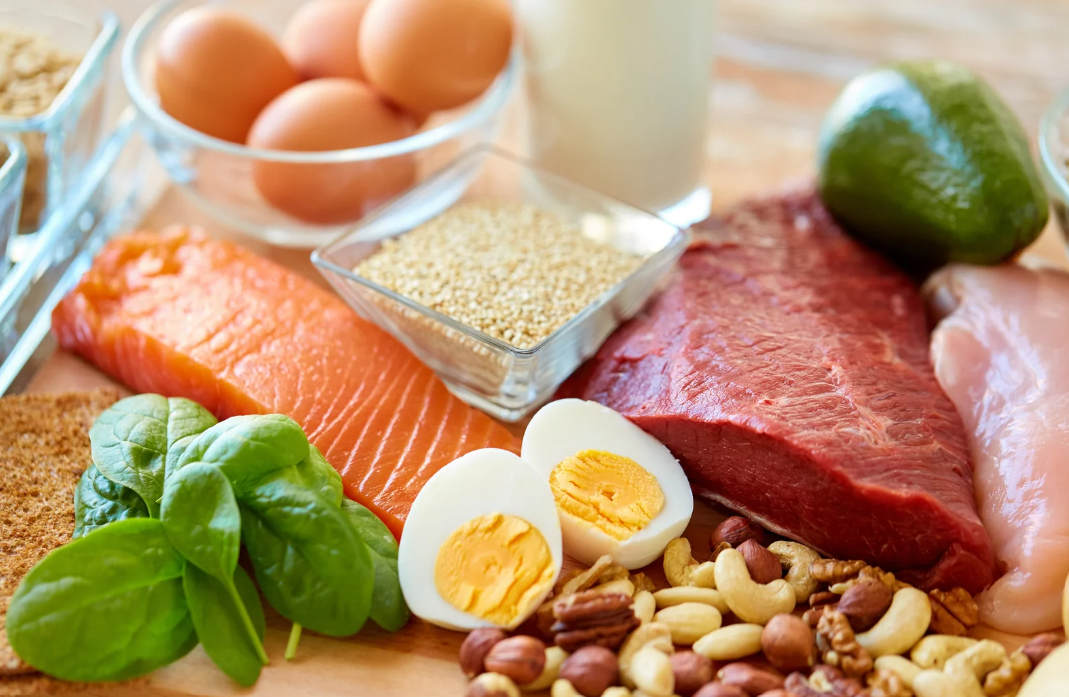
The satiating effect of foods depends on their nutritional composition. Those with the highest satiating power per calorie possess one of the following characteristics (which contribute to their "appetite-suppressing" effect):
Protein content
Foods rich in protein help prolong the feeling of fullness.
because they take longer to digest compared to other macronutrients (carbohydrates and fats). In addition, proteins promote the release of satiety hormones, such as leptin and peptide YY, while reducing the production of the hunger hormone, ghrelin.
Fiber content
Dietary fiber, whether soluble or insoluble, adds bulk to food without increasing its calorie count. When it comes into contact with water in the digestive system, fiber swells, filling the stomach and sending satiety signals to the brain. Furthermore, fiber slows gastric emptying, which prolongs the feeling of fullness. Finally, high-fiber foods require more thorough chewing, which can help slow down your eating rate and promote better appetite regulation.
Water content
Foods high in water content, such as fresh fruits and vegetables, have a lower energy density, meaning they provide fewer calories per gram of weight compared to foods high in fat or sugar. The water in these foods adds volume to the stomach, thus contributing to a feeling of fullness.
Low glycemic index
Foods with a low glycemic index (GI) cause a slower and more moderate rise in blood sugar after consumption, compared to foods with a high glycemic index. Low-GI foods are generally rich in fiber and protein, which slows down the digestion and absorption of carbohydrates. This helps maintain more stable blood glucose levels, preventing the sharp spikes and drops in blood sugar that can stimulate appetite and lead to cravings.
Top 20 most filling foods
|
Food |
Caloric value (kcal/100g) |
Satiety Index (per serving) |
|
Steamed potatoes |
87 |
323 |
|
Oat flakes |
389 |
209 |
|
Oranges |
47 |
202 |
|
Apples |
52 |
197 |
|
Beef |
250 |
176 |
|
Cooked white beans |
155 |
168 |
|
Grapes |
67 |
162 |
|
Wholemeal bread |
247 |
157 |
|
Eggs |
155 |
150 |
|
White rice |
130 |
138 |
|
Lenses |
116 |
133 |
|
Pasta |
131 |
119 |
|
Bananas |
89 |
118 |
|
White bread |
265 |
100 |
|
Yogurt |
59 |
88 |
|
Peanuts |
567 |
84 |
|
Cheese |
402 |
33 |
|
Wholemeal bread |
246 |
30 |
|
Wholemeal pasta |
131 |
29 |
|
Lean beef (steak) |
250 |
26 |
[Sources: A satiety index of common foods. (Eur J Clin Nutr. 1995); USDA Food Data Central]
Joyfuel, low-sugar, filling… and delicious protein bars!
Joyfuel presents the first gourmet, nourishing AND low-sugar protein bars, with ideal nutritional values for anyone looking for a satisfying snack while reducing sugar in their diet.
Each Joyfuel bar contains 20 grams of protein —the equivalent of 3 eggs— and less than 2 grams of sugar (17 grams less than the average chocolate bar on the market). Protein is an essential nutrient that plays a crucial role in regulating appetite. It takes longer to digest than carbohydrates or fats, meaning it helps you feel full longer after eating it.
The feeling of fullness isn't the only benefit of protein! It promotes muscle building and repair, making it an ideal choice for those who lead an active lifestyle and are looking to maintain or build muscle mass. Protein is also essential for the proper functioning of the immune system, the transport of oxygen and iron, and for healthy bones and skin.
But don't worry, with Joyfuel, there's no question of sacrificing taste: our multi-textured chocolate recipes are incredibly delicious, for a snack that combines pleasure and nutrition 😉 Here are a few flavors to discover in our online shop :