
Hydration and electrolytes: tips for endurance and strength athletes
When we think about athletic performance, we often imagine hours of training, a steely mindset, and proper nutrition. Yet, a key element is sometimes overlooked: sports hydration. Whether you practice an endurance sport (running, cycling, trail running, triathlon, etc.) or a strength sport (weight training, CrossFit, weightlifting, etc.), fluid and electrolyte balance plays a crucial role in performance, recovery, and even the enjoyment of training.
We offer a comprehensive guide to help you better understand the importance of water, sports electrolytes, and how to adapt your hydration strategy according to your sport.
Why is hydration essential for athletes?
Water makes up about 60% of the human body. During exercise, sweating helps regulate body temperature, but it also leads to a loss of fluids and minerals. Even mild dehydration (1 to 2% of body weight) can reduce performance: increased fatigue, decreased concentration, and reduced muscle strength.
- In endurance sports, a hydration deficit can accelerate exhaustion and limit the ability to maintain a high intensity.
- In terms of strength, dehydration directly impacts muscle contraction, coordination, and power.
Sports hydration is therefore not just a matter of comfort, but a real lever for performance.
Electrolytes: those minerals that make all the difference
Sweating isn't just about losing water. It's also about losing sports electrolytes, those essential minerals for the proper functioning of the body:
- Sodium: regulates fluid and nervous system balance.
- Potassium: plays a role in muscle contraction.
- Magnesium: contributes to muscle relaxation and nerve transmission.
- Calcium: essential for muscle contraction.
- Chlorine: helps maintain acid-base balance.
Without them, water alone is not enough. Hence the importance of drinks adapted to athletes (mineralized waters, sports hydration solutions, broths, etc.), especially during prolonged or intense efforts.
What are the specific needs depending on the type of sport?
Hydration for endurance sports
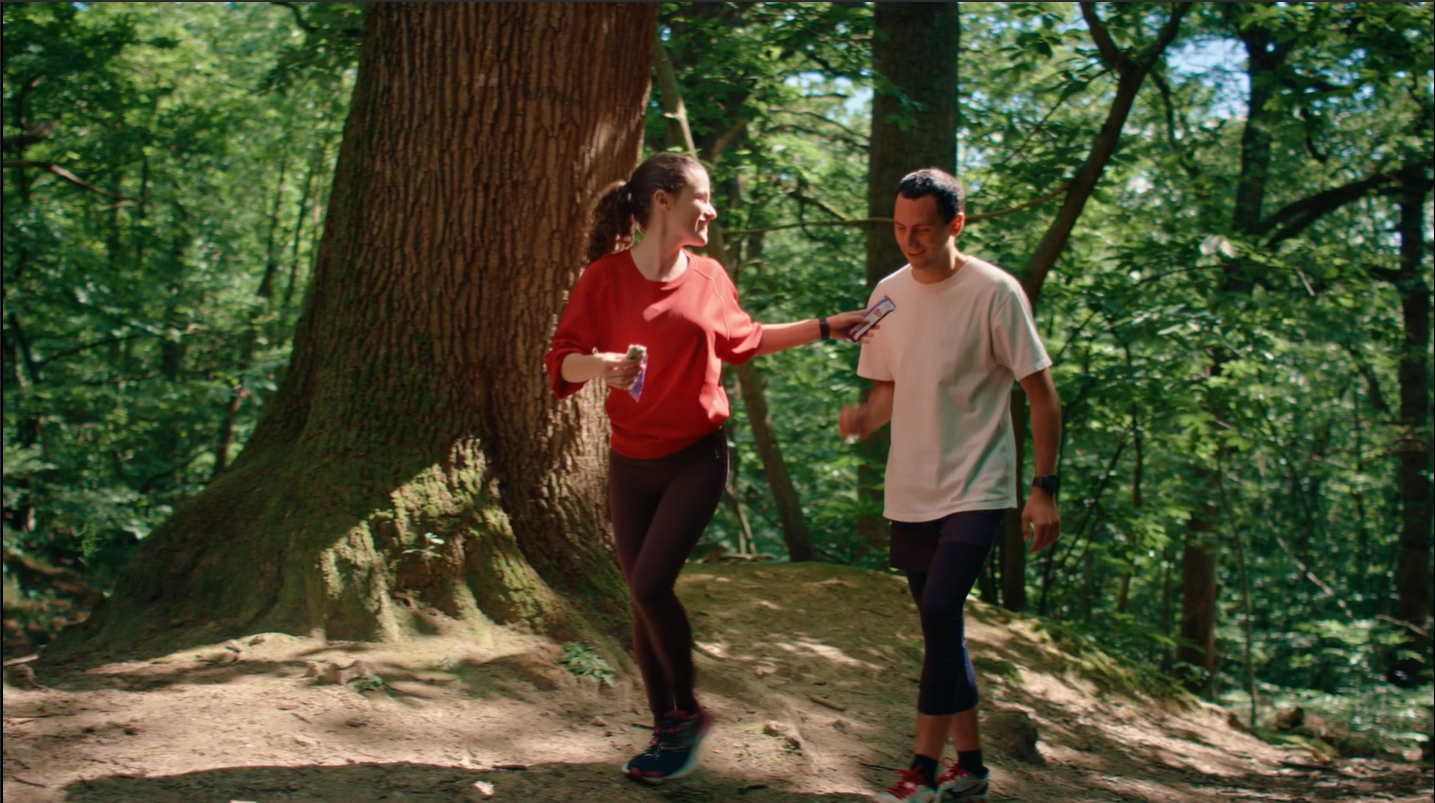
Running, cycling, swimming, triathlon… Endurance sports put a strain on the body over extended periods. The resulting losses of water and electrolytes can be significant.
- Before exercise: start well hydrated. Drink water regularly in the hours leading up to it.
- During exercise: aim for 500 to 800 ml of fluid per hour depending on the heat and intensity. Choose drinks containing sodium, potassium, and fast-acting carbohydrates (for energy).
- After exercise: compensate for losses with gradual rehydration, favoring drinks rich in electrolytes.
During the Tour de France , for example, a 2% weight loss can lead to a 20% decrease in power output and a 20% increase in reaction time. In some cases, riders lose up to 3 liters of water per hour.
Hydration for strength sports
In bodybuilding, CrossFit, or weightlifting, sessions are shorter but often very intense. Sweating varies but can be significant, especially in heated or poorly ventilated gyms.
- Before training: make sure you are well hydrated, as dehydration can reduce maximum strength.
- During: drink regularly in small sips, even if you are not yet thirsty.
- Next: the goal is to promote muscle recovery. Electrolyte intake helps reduce neuromuscular fatigue and replenish reserves.
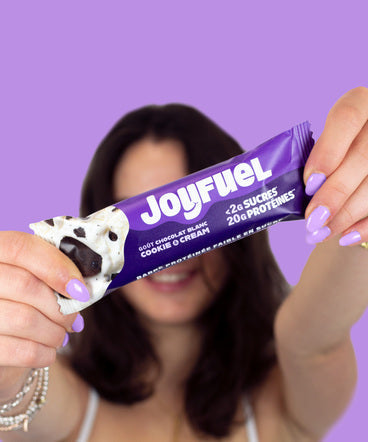
After exercise, in addition to proper hydration, a convenient snack like a Joyfuel bar can help recharge your batteries while respecting your sporting pace.
Our practical tips for optimizing your hydration
- Don't wait until you're thirsty: thirst is a late signal . During intense exertion, water loss can reach 3 liters, and the sensation of thirst, often delayed, should not be the only signal to hydrate.
- Observe the color of the urine: a good indicator of hydration status (light yellow = correct hydration).
- Adjust according to the weather: heat and humidity increase losses.
- Prioritize regularity: drink in small amounts throughout the day.
- Vary your sources of electrolytes: isotonic drinks, mineral waters, fruits and vegetables rich in potassium (banana, avocado, spinach).
Food and hydration: an inseparable duo
Hydration also comes from what we eat. Foods rich in water (fruits, vegetables, soups) and electrolytes are valuable allies:
- Potassium: banana, sweet potato, lentils.
- Magnesium: almonds, cocoa, legumes.
- Calcium: dairy products, mineral waters, green vegetables.
A balanced diet promotes better water and mineral management, and perfectly complements a sports hydration strategy.
What are some common mistakes to avoid?
- Drinking only pure water during prolonged exertion: risk of hyponatremia (dilution of blood sodium).
- Overconsumption of sugary energy drinks: they can slow gastric emptying and cause digestive discomfort.
- Neglecting recovery: the post-exercise phase is essential to replenish reserves and properly prepare for the next session.
The art of staying properly hydrated every day
Hydration isn't just about training. Drinking regularly, in small sips, helps maintain a stable fluid balance and avoids the sudden changes that tire the body. This gradual intake of water naturally supports concentration, energy, and recovery.
Beyond beverages, fruits, vegetables, and certain mineral waters naturally provide electrolytes, essential for maintaining a balance of sodium, potassium, magnesium, and calcium. These minerals help the body regulate its muscular and nervous functions, while also promoting optimal hydration. Cultivating this awareness daily prepares your body to better meet the demands of physical activity.
Nutrition and hydration: a winning combination for performance?
While water is the body's essential fuel, it reveals its full potential when combined with a proper diet. Hydration and sports nutrition go hand in hand: drinking enough optimizes nutrient absorption, while a balanced energy intake supports endurance and recovery. In practical terms, consuming quality carbohydrates before or after exercise, along with proper hydration, helps maintain performance levels and reduce fatigue.
Joyfuel bars are designed with this in mind: created for athletes, they provide energy support, to be combined with regular hydration. In practice, regularly drinking small sips of water and supplementing breaks with a suitable energy source allows you to maintain performance for longer and recover more effectively.
FAQ – Hydration and electrolytes in athletes
What is the difference between daily hydration and hydration during exercise?
Daily hydration aims to maintain a stable fluid balance so that the body functions optimally. During exercise, it is primarily about compensating for the rapid loss of water and electrolytes due to perspiration in order to prevent dehydration and decreased performance.
What are the most important electrolytes for athletes?
The main electrolytes lost through sweat are sodium, potassium, magnesium, and calcium. They are involved in nerve transmission, muscle contraction, and the regulation of fluid balance.
Should we favor water or electrolyte drinks?
It all depends on the intensity and duration of the effort. For short and moderate sessions, water is sufficient. During long workouts or in hot conditions, a drink containing electrolytes helps to better compensate for losses.
How much should I drink before training or competition?
It is recommended to stay well hydrated in the hours leading up to the activity, by drinking regularly but not excessively. A common rule of thumb is to consume approximately 500 ml of water two hours before exercise, and then small sips if necessary before starting.