
Do you ever train hard… but wake up the next day feeling even less recovered than the day before? A bad night's sleep, fragmented sleep, a heavy awakening: your muscles haven't had time to repair themselves. And yet, sleep is an athlete's secret weapon, as valuable as a good training program.
Does this resonate with you? The good news is that a suitable diet can transform your nights into real fuel for your performance.
Sleep, the first pillar of athletic recovery
Weight training sculpts the body, cardio trains the heart, but it's during sleep that progress truly takes hold. That's when growth hormones are secreted, muscle fibers repair themselves, and energy stores are replenished.
Poor sleep throws everything off: persistent fatigue, lingering aches and pains, lack of concentration… and a sharp decline in athletic performance. In reality, getting enough sleep is like an invisible workout: your muscles, your nervous system, and even your mental state all benefit.
Nutrition and sleep: an inseparable duo
Your diet doesn't just nourish your muscles; it also prepares you for a good night's sleep. Certain nutrients promote sleep onset and quality, while others, if consumed in the wrong amounts or at the wrong time, can disrupt it.
Complex carbohydrates for restful sleep
A dinner rich in complex carbohydrates (quinoa, sweet potatoes, brown rice, semi-wholemeal pasta) promotes the secretion of serotonin, a precursor to melatonin, the sleep hormone.
Tip: Combining these carbohydrates with fiber-rich vegetables helps avoid blood sugar spikes that disrupt sleep and night cycles.
Protein, but at the right time
Essential for muscle repair, they can make it difficult to fall asleep if consumed in excess just before sleeping.
The right approach: opt for a balanced protein intake at dinner (fish, eggs, legumes), and reserve large intakes (shakes, very rich meals) for times of the day when the body is more active.
The key role of magnesium and tryptophan
Magnesium acts as a natural relaxant for the nervous and muscular systems. It is found in oilseeds, dark chocolate, and green vegetables.
Tryptophan, on the other hand, is an essential amino acid found in bananas, turkey, pumpkin seeds, and cottage cheese. It promotes the production of serotonin and then melatonin, two essential allies for falling asleep more easily.
Hydration and sleep: finding the balance
A dehydrated body sleeps poorly: cramps, night awakenings, restless sleep. But drinking too much right before bed leads to constant trips to the bathroom.
The right rhythm: spread hydration throughout the day, then gradually reduce the amounts starting 2 hours before bedtime.
What are the enemies of sleep for athletes?
Certain foods and habits can sabotage your sleep, even if you have prepared your workout well.
- Caffeine: stimulating for up to 6 hours after consumption (coffee, tea, energy drinks).
- Alcohol: it promotes sleepiness, but degrades the quality of deep sleep, which is crucial for muscle recovery.
- Heavy and fatty meals: difficult digestion, increased body temperature, fragmented sleep.
- Screens: blue light delays the secretion of melatonin, the sleep hormone.
Nutrition + sleep: the winning formula for performance
Restful sleep, supported by a suitable diet, becomes a real performance booster:
- You recover faster,
- You reduce the risk of injury,
- You optimize your energy during training.
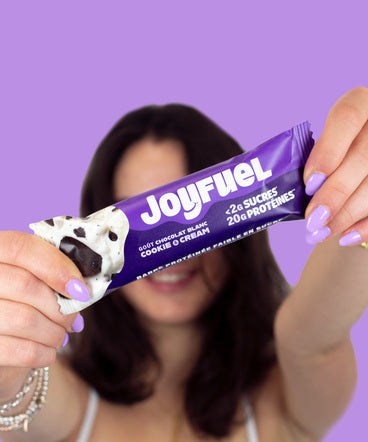
In practical terms, after a workout, slipping a snack like a Joyfuel bar, rich in protein and carbohydrates, into your bag can kickstart muscle repair effortlessly. Followed by a balanced dinner (complex carbohydrates + magnesium) and proper hydration, this routine sets the stage for a deep and restorative night's sleep. The result: waking up with more energy and the feeling of progressing session after session.
Our practical tips for better sleep and better recovery
Because good sleep is just as strategic as a good training program, we've listed a few recommendations for you:
- Avoid caffeine and stimulants after 4pm.
- Have a light but complete dinner: complex carbohydrates + lean protein + vegetables.
- Favor foods rich in magnesium (oilseeds, bananas, dark chocolate).
- Stay well hydrated during the day, moderately hydrated in the evening.
- Establish a bedtime ritual: reading, herbal tea, gentle stretching.
- Go to bed at regular times to synchronize your biological clock.
Ultimately, sleeping better and recovering better through nutrition isn't a chore: it's a winning habit. Whether it's through balanced daily meals or practical solutions like Joyfuel, the important thing is to stay consistent. Your body will reward you with energy, progress, and enjoyment during your workouts!
FAQ - Nutrition and sleep for athletes
Does eating late at night prevent you from sleeping well?
It all depends on the composition of the meal. A very heavy, fatty dinner can make digestion difficult and disrupt sleep. On the other hand, a balanced meal with complex carbohydrates, lean proteins, and vegetables can promote sleep onset and improve sleep quality.
Are melatonin supplements essential?
No. In most cases, your body naturally produces melatonin if you maintain a regular sleep schedule and a healthy diet. Supplements can help occasionally (jet lag, stress), but it's better to rely on natural sources of tryptophan (bananas, turkey, pumpkin seeds).
Should you drink herbal tea before going to sleep?
Yes, it can be an excellent habit, as long as the quantity remains moderate. Chamomile, verbena, or lemon balm have recognized calming properties that improve sleep quality.
Is a protein-rich snack before bed helpful?
In some cases, yes. If you have had a very intense workout in the evening, a light, protein-rich snack (yogurt, cottage cheese, a handful of almonds) can support nighttime muscle repair without weighing down digestion.