
Nutrition and running: how to eat well to run longer (and better)?
Running isn't just about training. Nutrition plays a fundamental role in performance and longevity. Here's how to properly adapt your diet for running, before, during, and after exercise.
Understanding the body's needs when running
Running is an endurance sport that engages numerous physiological functions. To fuel the moving muscles, the body draws on its glycogen reserves (sugar stored in the muscles and liver) as well as fat reserves, depending on the intensity and duration of the effort. A balanced diet not only helps build these reserves but also prevents energy dips, fatigue-related injuries, and excessively long recovery periods.
According to ANSES, carbohydrates should represent between 50 and 55% of daily intake for an active person, a figure that can increase for endurance athletes. However, it's essential to choose the right fuels at the right time.
Before exertion: anticipate to avoid being overwhelmed
Nutrition before a run plays a role in performance and consistency. Running on an empty stomach increases the risk of fatigue and even fainting, especially during intense or long runs. Ideally, a proper meal should be eaten 2 to 3 hours before exercise, consisting of foods rich in complex carbohydrates (such as whole grains or legumes), well-cooked vegetables, and a small portion of lean protein. This meal should be easily digestible, low in fat, and moderate in fiber to avoid digestive discomfort.
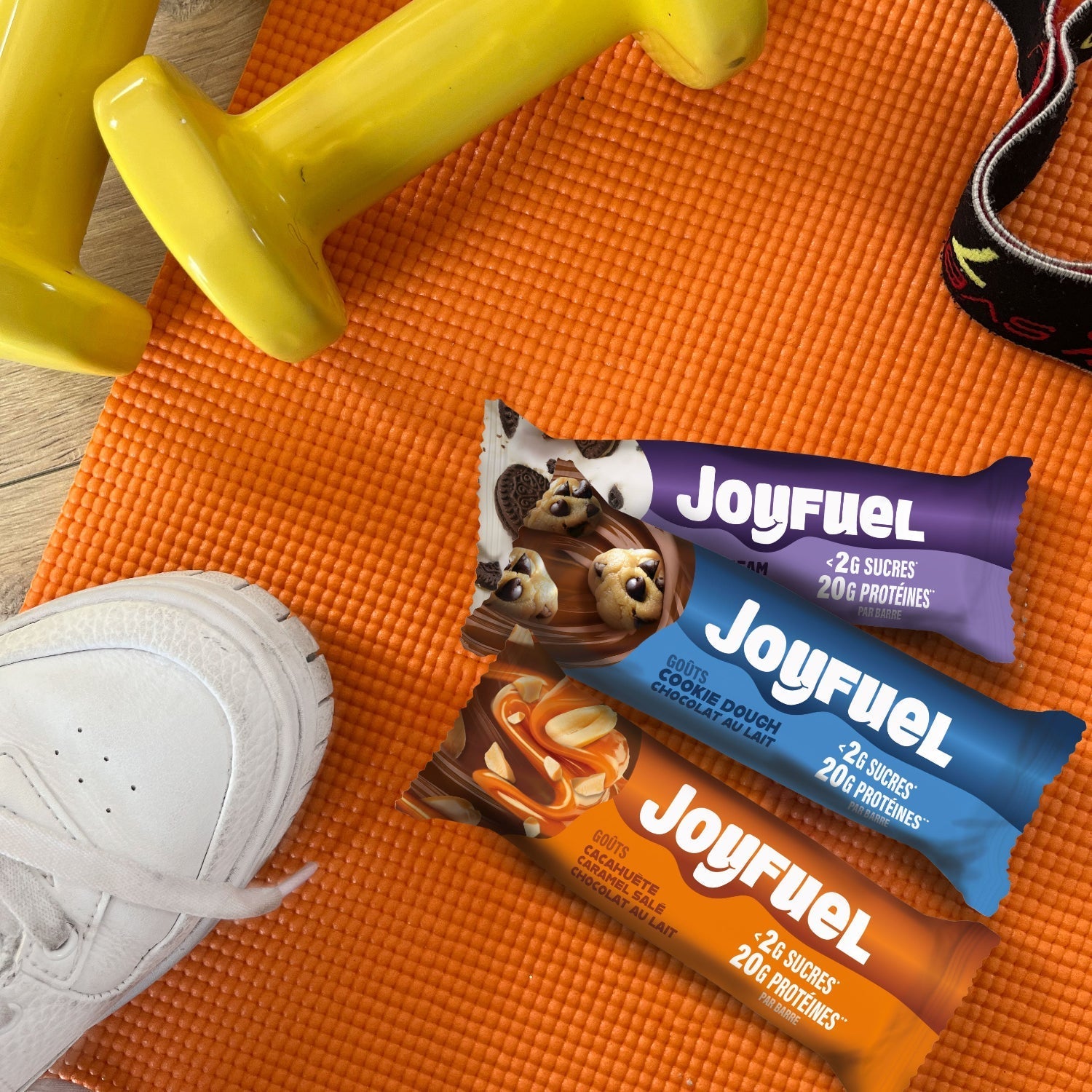
If training takes place early in the morning or if a full meal is difficult to fit in, a snack 30 to 60 minutes before the run may suffice: a ripe piece of fruit, an energy bar (like those offered by Joyfuel), unsweetened applesauce, or a slice of gingerbread are good options. The goal: to have readily available energy without weighing down your stomach.
During exertion: avoid running out of energy
After an hour of exertion, it becomes necessary to regularly replenish the body with simple carbohydrates to maintain intensity. According to the Mayo Clinic , it is recommended to consume between 30 and 60 grams of carbohydrates per hour during prolonged exercise. Glycogen reserves are gradually depleted, and the risk of hitting the energy wall increases. This is where sports nutrition products, such as Joyfuel bars, come in, designed to be easily digestible and quickly absorbed.
After exertion: promote recovery without delay
Once the workout is over, the body remains alert. The muscles, having been used, need nutrients to repair themselves. In the 30 to 60 minutes following exercise – a period often called the "metabolic window" – the body is particularly receptive.
This is where Joyfuel truly shines: a bar designed for athletes, combining protein and carbohydrates. Easy to slip into a gym bag, tasty and nutritious, it becomes the perfect companion for that crucial moment after exercise. Rather than just a snack, it's a pleasurable gesture that supports the body's recovery.
Of course, other snacks are suitable – plain yogurt with granola, a slice of whole-wheat bread with hummus – but Joyfuel has the advantage of combining convenience, deliciousness, and nutritional value, without compromise. And let's not forget hydration: mineral water or a drink slightly enriched with electrolytes helps to replenish what's lost through perspiration.
Choosing the right nutrition bars: criteria to keep in mind
Navigating the jungle of sports nutrition products can be confusing. An energy bar primarily aims to provide a quick energy boost (fast-acting carbohydrates) during exercise. A protein bar, on the other hand, is designed for recovery, supporting muscle repair.
Joyfuel bars have been designed to meet the needs of everyday athletes, providing consistent nutritional support during exercise. Their convenient size and balanced composition make them a suitable option to complement workouts, without feeling heavy or overly nutritious.
The idea isn't to consume them after every workout, but to incorporate them at the right times, when lifestyle or training intensity demands it. A sensible approach that perfectly reflects the evolution of endurance sports nutrition in 2025.
A typical day for running well, eating well
Here is an example of a daily diet for an amateur runner who trains in the late afternoon:
- Breakfast: Wholemeal bread or oatmeal, fresh fruit (banana, red berries), oilseeds (walnuts, almonds) for a gradual energy intake and good satiety.
- Lunch: Quinoa or brown rice, cooked seasonal vegetables (zucchini, carrots, broccoli), oily fish (salmon, mackerel) for a good balance between complex carbohydrates, fiber and omega-3.
- Pre-workout snack (approximately 1 hour before): An energy bar, accompanied by a compote without added sugar if needed, to recharge the batteries without weighing down digestion.
- After the race: A Joyfuel protein bar or a protein-rich dairy product (Greek yogurt, skyr) to support muscle recovery.
- Dinner: Basmati rice or sweet potato, steamed vegetables, hard-boiled egg or grilled tofu, for a complete, digestible meal rich in micronutrients that promote recovery.
Pitfalls to avoid when running regularly
Many runners make mistakes due to a lack of knowledge or overzealousness. Consistently running on an empty stomach, without proper nutrition, can negatively impact performance and digestive comfort. Skipping a recovery snack or improperly distributing carbohydrate intake can also slow progress.
It is always preferable to choose products with clear compositions, based on raw ingredients and designed to meet the specific needs of the effort.
Running far, running well: the discreet but indispensable role of nutrition
Sports nutrition for running doesn't have to be complicated. To improve your running, a few adjustments are often all it takes: better meal planning, choosing the right snacks before and after exercise, and listening to your body. Rather than aiming for perfection or peak performance, it's about creating a routine that supports energy, the enjoyment of running, and recovery. With its bars designed for both exertion and recovery, Joyfuel supports runners at all distances… and in all phases of their daily training.
FAQ – Food and running
What is the best breakfast before going for a run?
A light breakfast, rich in complex carbohydrates and moderate in protein and fat. For example: whole-wheat bread + almond butter + banana. If you're running early, a lighter snack (like applesauce or a Joyfuel energy bar) may be sufficient.
Should you eat during a race?
It all depends on the duration. For activities under an hour, it's generally not necessary. For longer activities, consuming carbohydrates every 45 minutes helps prevent energy crashes. Energy bars designed for exercise are then very useful.
Should you take supplements to improve your running performance?
Not necessarily. A varied and appropriate diet is sufficient in most cases. Supplements can be useful in specific contexts (vegetarianism, identified deficiency, very high training volume), but they never replace a balanced diet.
Can I run on an empty stomach?
This is possible for light, short sessions, but not recommended for everyone. If you experience fatigue, hunger, or a drop in performance, it's best to include a pre-run snack, even a light one.